Flatbeds Designed for Integrated Towing Systems
CM truck beds in North Hampton for contractors hauling equipment trailers and gooseneck loads daily
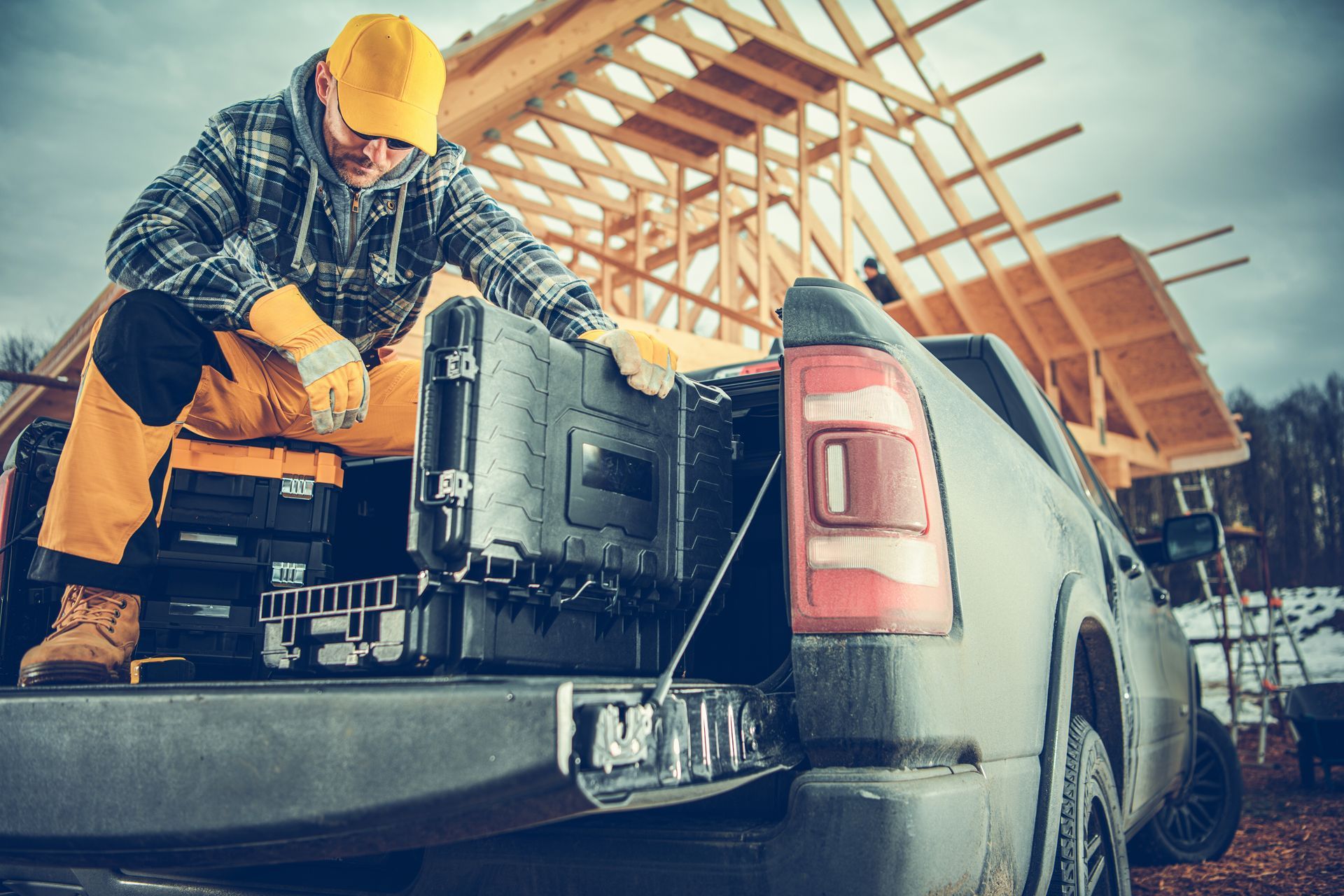
A flatbed with a factory-installed B&W gooseneck hitch eliminates the need to cut through the bed floor, weld mounting plates, or route safety chains separately, because CM builds the hitch structure directly into the bed's frame before the deck is installed. Boyer's Truck Equipment mounts CM and Warrior flatbeds engineered with integrated towing components, LED lighting wired into the frame rails, and powder-coated steel construction that resists job site damage. These beds are used by contractors who haul skid steers on equipment trailers, hotshot drivers moving machinery between sites, and landscape crews towing dump trailers loaded with mulch and stone.
The difference between a welded-on aftermarket hitch and a factory-integrated system is load distribution—CM beds use box-tube crossmembers that transfer tongue weight across the entire frame rather than concentrating it at a single bolted point, which prevents flexing and frame fatigue when towing at or near the truck's rated capacity. The gooseneck ball is removable when not in use, leaving a flush deck surface for stacking pallets or securing cargo with tie-down anchors built into the bed's outer rails.
Schedule a property evaluation to identify what bed width, skirting height, and towing capacity your truck requires based on the loads you move most often.
How Powder-Coating Performs Under Repeated Job Site Impact
CM applies powder coating in multiple stages, beginning with a zinc-rich primer that bonds to the steel through an electrostatic charge, followed by a colored topcoat that's cured at high temperature to create a finish harder than conventional spray paint. This process resists chipping when tools are dropped on the deck, prevents corrosion when de-icing salt is tracked onto the bed, and maintains color consistency even after years of UV exposure. The finish doesn't require annual touch-ups the way painted beds do, and surface scratches don't expose bare metal because the primer layer underneath continues to protect against rust.
Once the bed is installed, you'll notice that the deck remains level without developing sags or low spots, the skirting panels stay rigid when lumber or pipe is leaned against them, and the LED tail lights and clearance lights remain functional because they're sealed inside the frame rather than surface-mounted with exposed wiring. Loads sit flat across the deck because the crossmembers are spaced to prevent bowing under weight.
CM manufactures steel and aluminum flatbeds, skirted beds with toolboxes, and gooseneck beds with fold-down sides for loading equipment from the rear. Warrior Truck Beds, a division of CM, produces heavy-duty flatbeds at a lower price point, using similar construction methods with simplified finishing options for contractors who prioritize function over cosmetic details.
Common Questions About This Service
These questions address how CM and Warrior beds are built, mounted, and equipped for different hauling applications.
What's the advantage of having the gooseneck hitch built into the bed frame rather than installed afterward?
Factory-integrated hitches distribute tongue weight across multiple crossmembers rather than concentrating stress on a single mounting plate, which prevents frame flex and extends the life of both the bed and the truck chassis.
How does the powder-coating process prevent rust from forming under the finish?
Powder coating is applied as a dry powder that melts and fuses to the metal during curing, creating a continuous barrier without seams or thin spots where moisture can penetrate, and the zinc-rich primer layer underneath provides a secondary rust-inhibiting shield.
What determines whether you need a steel or aluminum flatbed for your work?
Steel beds handle heavy repeated impacts from forklifts, skid steers, and dropped equipment without denting, while aluminum beds reduce overall truck weight and improve payload capacity for contractors who haul lighter loads over long distances.
How are the LED lights wired into a CM flatbed to prevent damage from road debris or cargo shifting?
Wiring runs inside the bed's frame rails and skirting panels rather than along exposed surfaces, and lights are mounted in recessed pockets with sealed lenses that resist water intrusion and impact damage from tie-down straps or shifting cargo.
What happens when you need to remove the gooseneck ball to use the full flatbed surface?
The B&W ball assembly lifts out of the receiver tube and stores under the deck or in the cab, leaving a flush surface closed by a spring-loaded cover plate that keeps debris out of the hitch socket when not in use.
CM and Warrior beds serve contractors, agricultural operations, and municipal fleets throughout North Hampton and Hudson. Boyer's Truck Equipment handles the complete installation process, including hitch integration and lighting connections. Contact us to review bed dimensions and towing specifications for your truck.