
Aluminum Bodies That Eliminate Rust Entirely
DuraMag all-aluminum service bodies in North Hampton for contractors working in coastal salt spray and winter road treatment zones
Aluminum doesn't oxidize the way steel does—there's no rust layer that spreads, flakes, or weakens structural joints—so a DuraMag body installed today will look and function the same way in fifteen years, even if the truck operates daily in road salt or coastal moisture. Boyer's Truck Equipment installs DuraMag bodies built entirely from extruded aluminum components, including the frame rails, floor panels, and compartment walls. The elimination of steel means there's no electro-coating or powder-coating required to prevent corrosion, and the body's resale value remains high because buyers know the structure hasn't degraded underneath the paint.
The switch to aluminum also increases payload capacity by reducing body weight by up to 40% compared to steel equivalents, which allows you to carry more material or add heavier equipment like compressors and generators without exceeding your truck's gross vehicle weight rating. DuraMag uses box-tube framing and interlocking tongue-and-groove floor panels that resist warping under uneven loads, so the floor stays flat even after years of pallet jacks, tool chests, and heavy equipment being dragged across it.
Request a detailed estimate based on your truck's chassis specifications and the compartment layout you need for your trade.
Why Aluminum Construction Changes Long-Term Ownership Costs
Steel bodies require maintenance cycles to address rust spots, replace corroded hinges, and repaint areas where the coating has chipped, but aluminum bodies require none of that. You eliminate the annual inspection for rust penetration, the need to treat surface oxidation before it spreads, and the eventual replacement of door panels or compartment floors that have corroded through. The body outlasts the truck chassis in most cases, and because DuraMag bodies are built with standardized mounting patterns, the body can be removed and reinstalled on a new chassis when the original truck is retired.
Once the body is in service, you'll notice that compartment doors remain aligned without seasonal adjustment, floor panels don't develop soft spots or flex zones, and the body's exterior retains its finish without bubbling or surface corrosion around fasteners. Tools stored inside stay dry because seals don't degrade from rust expansion forcing gaps in the door frames.
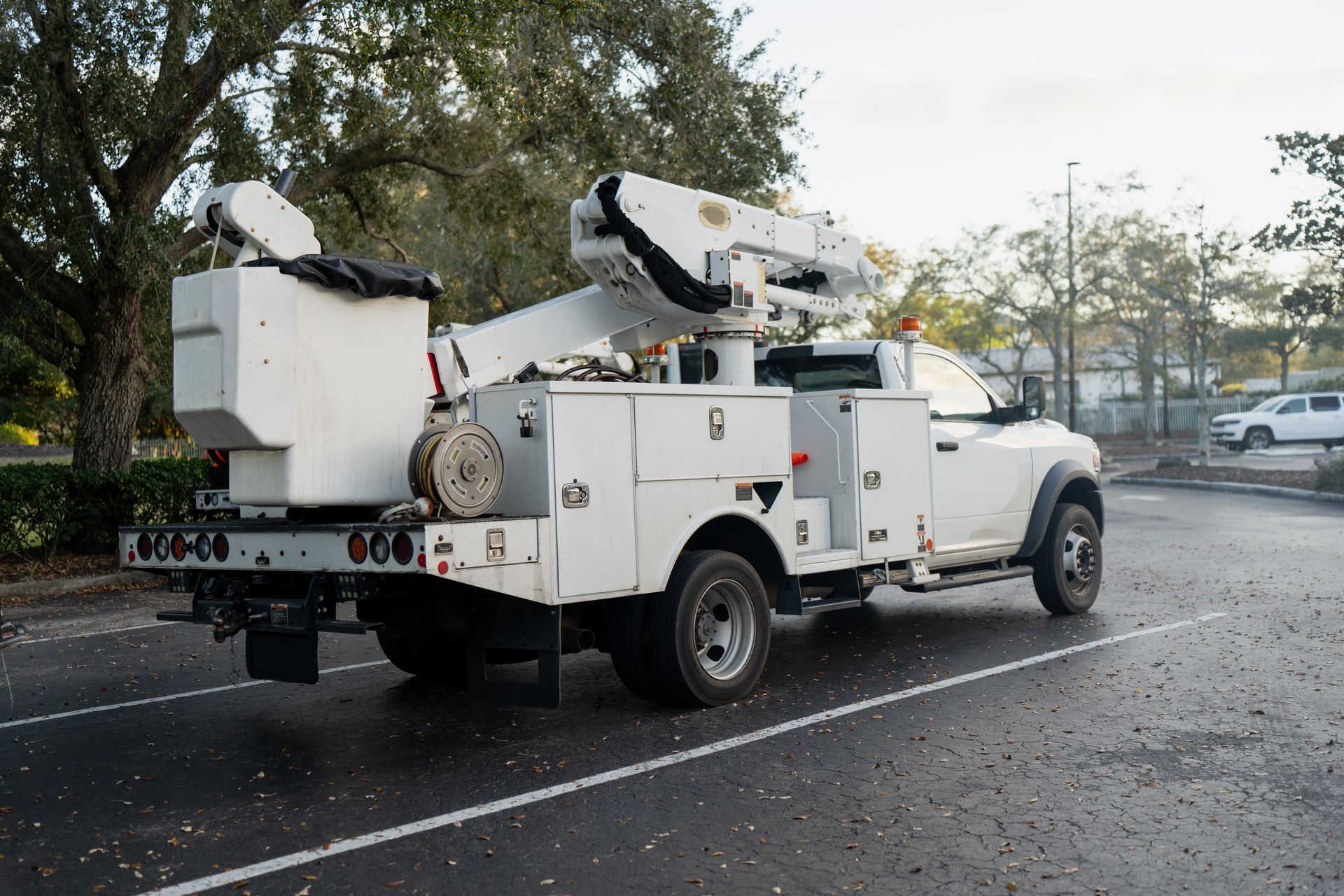
DuraMag manufactures aluminum dump bodies, landscape bodies with fold-down sides, flatbeds with integrated toolboxes, and enclosed contractor bodies with walk-in rear access. The body style you choose depends on whether you need open load space for bulk materials, secure compartments for tools, or a combination of both with a split body design.
Answers About How the Work Is Done
These questions address how DuraMag bodies are built, mounted, and maintained over years of commercial use.
How does extruded aluminum compare to sheet aluminum in terms of structural strength?
Extruded aluminum is shaped under pressure through a die, which aligns the metal's grain structure and creates parts with higher tensile strength than flat sheets that are bent or welded, making it more resistant to cracking under repeated stress.
What prevents the aluminum floor from denting when heavy equipment is loaded with a forklift?
DuraMag floors use interlocking tongue-and-groove extrusions that distribute point loads across multiple panels rather than concentrating stress on a single sheet, and the panels are supported by closely spaced cross-members that prevent deflection.
How is wiring routed through an all-aluminum body without causing galvanic corrosion where it contacts the frame?
Wiring harnesses are installed inside protective conduit with rubber grommets at all pass-through points, and connections use dielectric grease to prevent moisture from bridging dissimilar metals in the electrical system.
What happens to the aluminum body's appearance after years of exposure to road salt and UV light in North Hampton?
The aluminum develops a thin oxide layer that actually protects the underlying metal, and while the surface may lose some gloss over time, it won't rust, flake, or require repainting to maintain structural integrity.
How does the reduced weight of an aluminum body affect towing capacity and brake performance?
Reducing body weight by several hundred pounds increases available payload and improves braking response because there's less mass to decelerate, and it allows you to add accessories like liftgates or toolboxes without exceeding the truck's rated capacity.
DuraMag bodies are built to outlast multiple truck lifespans, and Boyer's Truck Equipment handles the entire installation process, including custom compartment layouts and electrical integration. Arrange an on-site consultation to review your truck's specifications and the type of body configuration your work requires.