Liftgates That Prevent Loading Injuries
Tommy Gate hydraulic liftgates in North Hampton for delivery crews and contractors moving heavy equipment without manual lifting
Manual lifting of compressors, generators, pallet loads, and toolboxes from truck beds causes cumulative back injuries and limits how much equipment a single worker can load or unload safely during a workday. Boyer's Truck Equipment installs Tommy Gate liftgates engineered to raise and lower cargo hydraulically, eliminating the need for ramps, tailgate climbing, or two-person lifting for items weighing between 1,000 and 3,000 pounds. These systems mount to service bodies, flatbeds, and cargo vans, with platform sizes and lifting capacities matched to the type of freight being moved. Contractors use them to load welding machines and scaffolding, HVAC companies lift condensers and furnaces, and delivery services move appliances and furniture without damaging the product or injuring the driver.
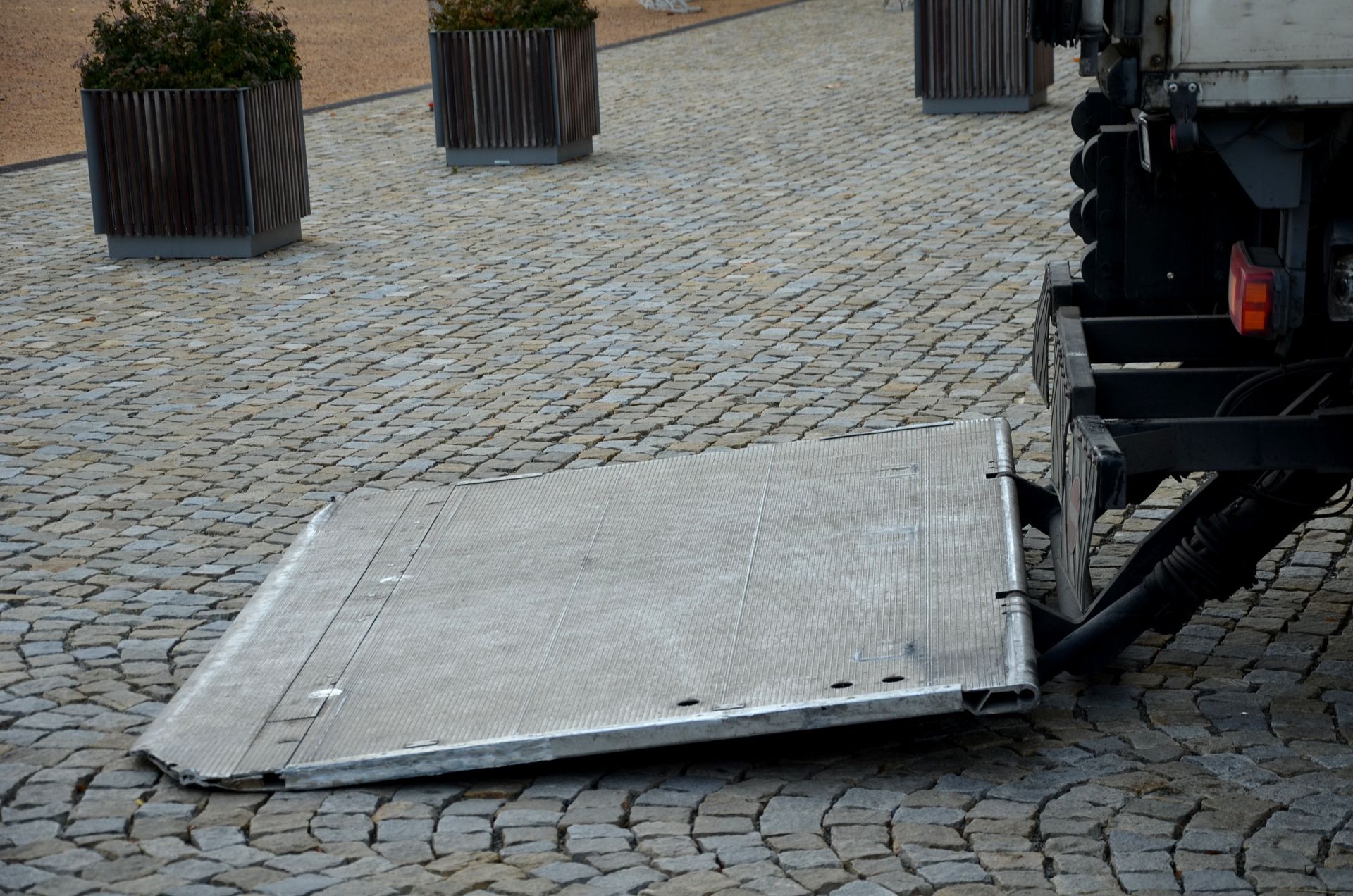
The liftgate platform lowers to ground level, cargo is rolled or slid onto it, and the hydraulic cylinder raises the platform to bed height where the load is pushed directly onto the truck deck. The control switch is mounted within reach of the operator, and the system includes safety stops that prevent the platform from lowering if weight is unevenly distributed or if the platform is obstructed. Tommy Gate was the original manufacturer of hydraulic liftgates, and their systems are built with enclosed hydraulic components and weather-resistant controls that function in freezing temperatures without failure.
Schedule an initial consultation to review your truck's configuration and the weight range of the cargo you handle most often.
How Liftgate Installation Changes Daily Loading Procedures
Tommy Gate offers multiple platform styles depending on the truck body type—Railgate models mount between the frame rails under flatbeds, Cantilever platforms swing out from the rear of service bodies, Tuckunder models fold up against the rear door of box trucks, and G2 Series gates install on pickups and smaller utility trucks. The platform material is either aluminum or steel, with aluminum reducing weight for lighter-duty applications and steel providing a more durable surface for abrasive or impact-heavy loads. The hydraulic pump is powered by the truck's electrical system, and the entire lifting mechanism operates without requiring the engine to be running.
Once the liftgate is installed, you'll notice that loading time per stop decreases because one person can handle equipment that previously required two, cargo remains undamaged because it's lowered in a controlled descent rather than jumped down from the tailgate, and workers don't experience the cumulative strain of repetitive lifting throughout the day. The platform locks in the raised position during transport, and the hydraulic system includes pressure relief valves that prevent overloading beyond the gate's rated capacity.
Tommy Gate manufactures liftgates with capacities ranging from 1,000 pounds for light cargo vans to over 3,000 pounds for heavy-duty service trucks, and the platform depth can be extended for oversized loads or reduced for compact installations where rear overhang is limited. The choice depends on the truck's gross vehicle weight rating and the type of cargo being moved.
Answers About How the Work Is Done
These questions address how Tommy Gate liftgates are installed, operated, and maintained across different vehicle types and cargo applications.
How is the liftgate's hydraulic system protected from freezing in winter conditions?
The hydraulic pump and fluid reservoir are mounted inside the truck's frame rails or under the body where engine heat and road warmth keep the fluid above freezing, and the system uses cold-weather hydraulic fluid with additives that maintain viscosity at low temperatures.
What prevents the liftgate platform from lowering unexpectedly if hydraulic pressure is lost?
Tommy Gate systems include a mechanical safety lock that engages automatically when the platform is raised, and the hydraulic control valve requires deliberate operator input to release the lock and allow the platform to descend.
How does a Cantilever liftgate differ from a Tuckunder model in terms of clearance and operation?
Cantilever gates swing out from the side of the truck body and lower vertically, requiring side clearance but no rear space, while Tuckunder gates fold up under the truck body when not in use, requiring rear clearance for the platform to extend and lower.
What happens when the liftgate platform is loaded beyond its rated capacity?
The hydraulic system includes a pressure relief valve that prevents the pump from overloading, and the platform will not raise if the weight exceeds the system's design limit, protecting both the equipment and the operator from mechanical failure.
How is the liftgate control switch positioned to prevent accidental activation during loading?
The control switch is mounted on a tether or fixed panel within reach of the operator but requires a sustained button press to raise or lower the platform, and the system stops immediately when the button is released, preventing unintended movement.
Tommy Gate liftgates are installed on delivery trucks, service vehicles, and contractor work trucks operating throughout North Hampton and surrounding areas. Boyer's Truck Equipment handles the complete installation process, including hydraulic system integration and platform sizing. Contact us to review your truck's specifications and the lifting capacity required for your daily operations.