Truck Bodies Built for Long-Term Durability
Knapheide service bodies in North Hampton for contractors protecting tools and equipment through years of daily use
Contractors working in older New England towns handle properties built across a century of construction standards—multi-story colonial homes, tight urban job sites, and rural properties with aging infrastructure—and that work puts constant demand on how tools are stored, accessed, and secured. Boyer's Truck Equipment installs Knapheide service bodies engineered to organize expensive equipment in compartments that resist rust and forced entry. These bodies are built by a manufacturer with 175 years of North American production history, using an electro-coat immersion priming process that coats every interior surface before final paint, a critical defense against road salt exposure that corrodes unprotected metal within a few seasons.
The service body you choose determines whether your plumbing fittings, power tools, and testing equipment stay dry, organized, and theft-resistant, or whether you spend time each morning searching through wet compartments and dealing with broken latches. Knapheide bodies use automotive-grade rotary latches and double-paneled doors that require deliberate force to open, and shelving systems inside the compartments can be configured around the tools you carry most often.
Schedule an on-site consultation to review how your current work truck is organized and what a Knapheide body would change.
What the Electro-Coat Priming Process Protects Against
Knapheide applies primer through full immersion rather than spray application, which means every welded seam, interior corner, and door hinge receives a uniform rust-inhibiting coating before the topcoat is applied. This matters because road salt doesn't just sit on exposed surfaces—it works into seams and hinges where water pools, and unprimed metal in those areas corrodes from the inside out. The electro-coat process seals those vulnerable zones at the molecular level, creating a barrier that prevents oxidation even when the truck operates in heavy snow removal or coastal job sites.
Once the body is installed, you'll notice that compartment doors close flush without binding, latches engage cleanly every time, and shelving remains rigid under load because the structural frame isn't weakened by rust expansion. Tools stay dry during rainstorms because seals remain intact, and compartments that once required two hands to close now operate smoothly with one.
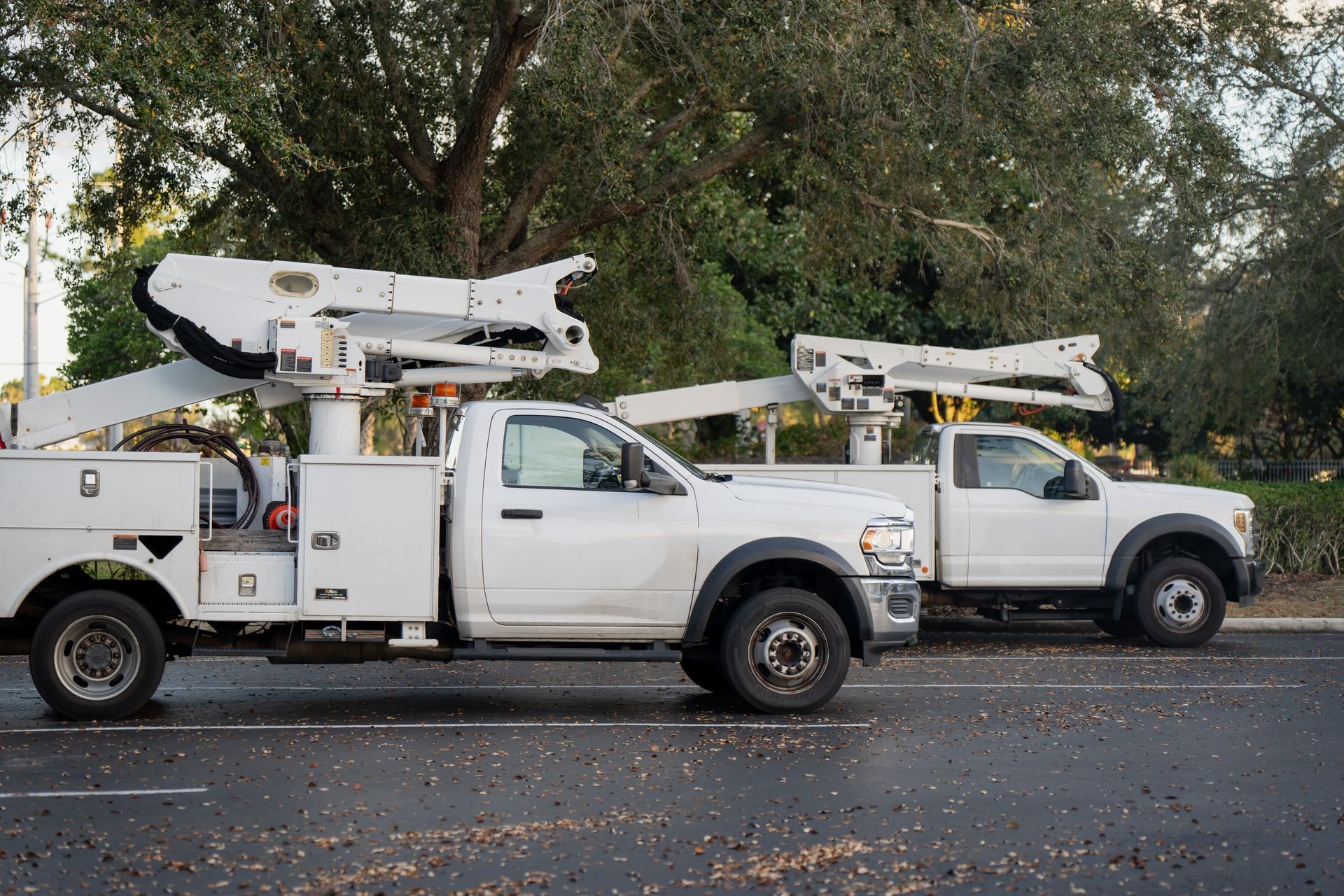
Knapheide builds steel and aluminum bodies in multiple configurations, including platform flatbeds and dump bodies that mount to Ford, GM, and Ram chassis without modification to brake lines or frame rails. The choice between steel and aluminum depends on payload requirements and whether the truck will carry impact-heavy loads like masonry or lighter equipment like HVAC parts.
What Property Owners Ask About This Service
These questions address how Knapheide bodies are built, installed, and configured for different trades working throughout New England.
How does the rotary latch system differ from paddle latches found on older service bodies?
Rotary latches require a full quarter-turn to disengage, which prevents accidental openings during transport and resists prying tools better than spring-loaded paddle mechanisms that can be forced with a screwdriver.
What determines whether you need a steel or aluminum service body?
Steel bodies handle repeated impact from heavy materials like cinder blocks or steel pipe without denting, while aluminum bodies reduce overall vehicle weight and improve fuel economy for trades that carry lighter tools over long distances.
How is the shelving inside a Knapheide body configured during installation?
Shelving height and compartment dividers are set based on the tools and materials you carry most often, with adjustable brackets that allow reconfiguration as your equipment changes over time.
What happens to the original truck bed when a service body is installed?
The factory bed is removed and the Knapheide body is bolted directly to the truck frame, with wiring routed through the frame rails to connect compartment lighting and rear work lights to the vehicle's electrical system.
How does the body remain stable when compartments on one side are fully loaded and the other side is empty?
The body frame uses cross-bracing and mounts at multiple points along the chassis rails, distributing weight evenly and preventing lateral flex even when load distribution is uneven during the workday.
Boyer's Truck Equipment mounts Knapheide bodies to work trucks used by contractors, municipal crews, and service businesses operating across North Hampton and surrounding job sites. Contact us to schedule a build consultation and review compartment layouts based on your trade-specific tool requirements.